26 Aug 2026
Decoding Links Between Live Table Interactions and Secure Wallet Features Under Sweden's Strict Licensing for New App-Based Platforms
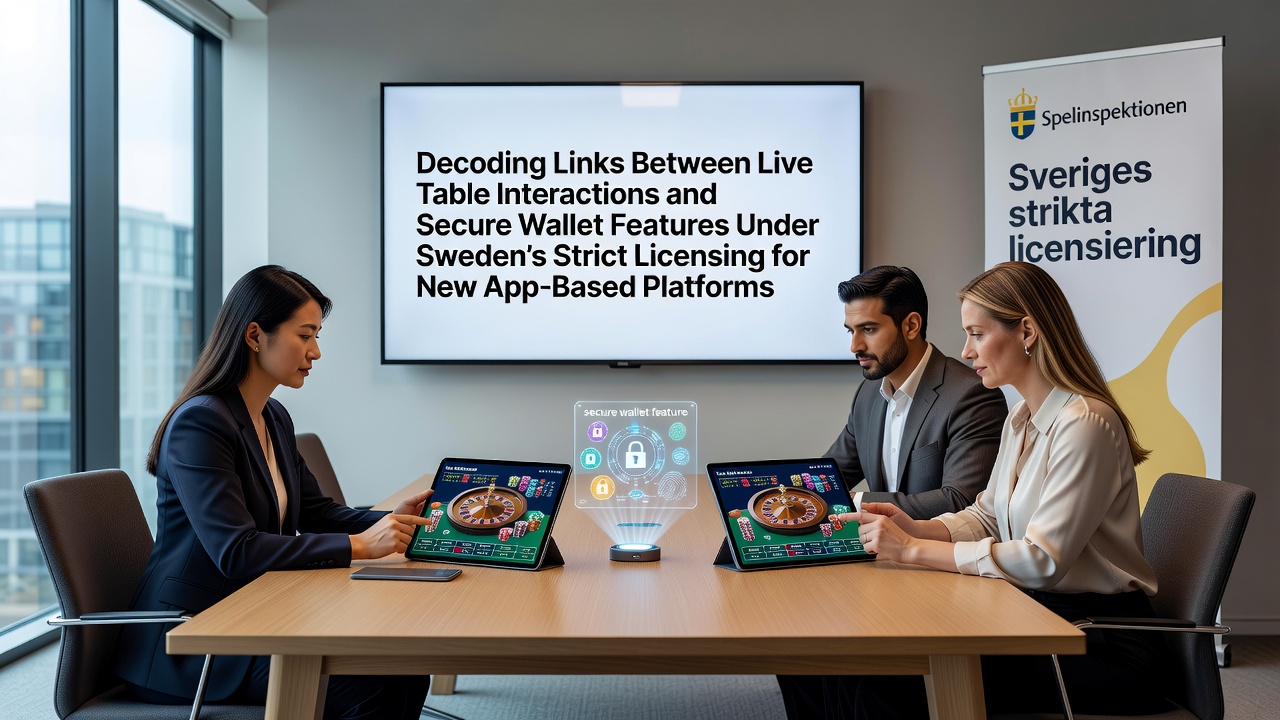
Sweden maintains a rigorous licensing framework through the Swedish Gambling Authority that governs new app-based platforms and shapes how live table interactions connect with secure wallet features in measurable ways. Operators must meet detailed technical standards for real-time gaming sessions while ensuring payment systems handle deposits and withdrawals with encryption protocols and verification steps that prevent unauthorized access. Data from regulatory filings shows that licensed platforms integrate these elements to comply with requirements for player verification at each transaction point during live dealer games such as blackjack and roulette.
Swedish Licensing Framework and Its Core Requirements
The licensing process demands that new mobile platforms demonstrate robust security measures before launch and operators submit ongoing reports that detail transaction volumes alongside interaction logs from live table environments. Regulations specify that wallet features must support instant verification while live sessions continue so that players experience minimal interruption during card draws or betting rounds. Observers note that this structure creates direct operational ties between the pace of live table play and the reliability of wallet authentication systems because any delay in payment processing can halt game progression under the rules.
Platforms entering the market after 2024 updates face additional audits that examine how live dealer streams interface with digital wallets and these reviews often highlight the need for multi-factor authentication that activates automatically when bets exceed certain thresholds. Figures reveal that compliance rates improved in recent quarters as developers incorporated biometric options into wallet apps to align with licensing expectations for fraud prevention during extended live sessions.
Live Table Interactions in Regulated Mobile Environments
Live table games on licensed Swedish apps rely on real-time video feeds and chat functions that require stable connections and secure data channels to maintain game integrity. Participants engage through interfaces that record every bet and decision while wallet balances update simultaneously to reflect outcomes and this synchronization prevents discrepancies that could trigger regulatory flags. Researchers have documented how platforms use dedicated servers to manage the flow between table actions and wallet adjustments so that winnings transfer without manual intervention after each hand or spin sequence.
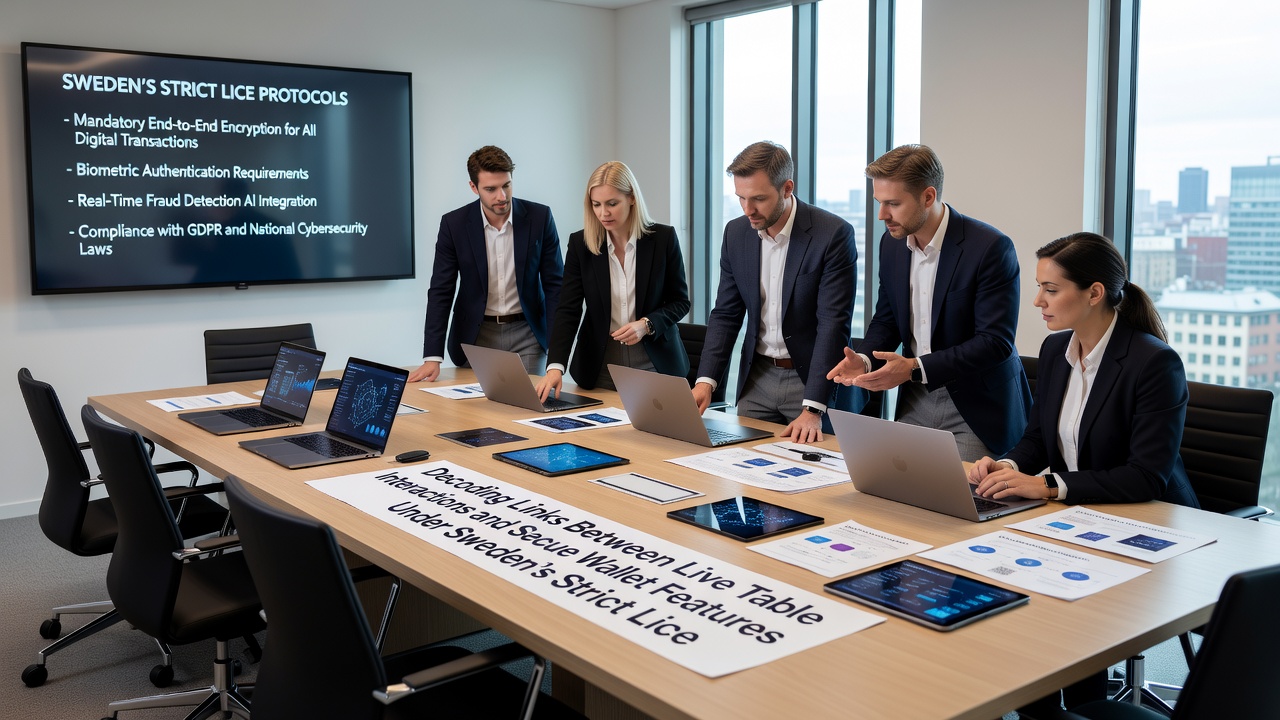
August 2026 marks the scheduled rollout of enhanced API standards that several new entrants plan to adopt and these updates aim to streamline data exchange between live table modules and wallet security layers. Industry reports indicate that early testing phases have shown reduced latency in balance updates during peak live game hours when platforms follow the new protocols.
Secure Wallet Features and Their Integration Points
Wallet systems under Swedish rules incorporate end-to-end encryption and automated limit settings that activate based on live session activity and this linkage allows platforms to enforce responsible gambling tools without pausing ongoing table games. Deposits must clear through verified channels before players can join live tables and withdrawals undergo similar checks that reference recent interaction history to flag unusual patterns. According to information available from Spelinspektionen operators track these metrics in unified dashboards that combine live game logs with wallet transaction records.
App developers often embed tokenization methods into wallet features so that live table bets process through temporary identifiers rather than direct account details and this approach reduces exposure during high-frequency interactions typical of roulette or poker variants. Data shows adoption of such methods correlates with fewer reported incidents of payment disputes in licensed environments.
Connections Between Live Interactions and Wallet Security
The interplay becomes evident when examining how live table pace influences wallet feature demands because rapid betting sequences require wallets that authorize multiple small transactions quickly yet securely. Licensing conditions mandate that platforms test these connections under simulated load conditions and submit results that demonstrate stability across various game types. Experts have observed that platforms achieving seamless integration report higher retention metrics in official statistics while maintaining full compliance records.
A report from the Canadian Gaming Association highlights parallel trends in regulated markets where secure payment layers support uninterrupted live play and Swedish platforms appear to follow similar patterns in their technical documentation. New app entrants focus on modular designs that let wallet security scale with live table volume without requiring separate licensing reviews for each update.
Developments for Emerging App Platforms
Fresh mobile platforms targeting the Swedish market incorporate these linked systems from the initial build phase and this strategy helps them navigate the approval process more efficiently. Testing protocols include scenarios where live table sessions run concurrently with wallet top-ups and the results feed directly into compliance submissions. Observers note that such integrated testing reduces the time from application to launch while addressing potential vulnerabilities at the intersection of real-time gaming and financial operations.
Conclusion
The connections between live table interactions and secure wallet features under Sweden's licensing regime continue to evolve as new app-based platforms adopt updated standards and technical specifications. Regulatory data and industry documentation illustrate how these elements function together to meet verification and security benchmarks while supporting continuous game flow. As platforms prepare for changes scheduled around August 2026 further refinements in API compatibility and authentication methods are expected to strengthen these operational links across the sector.