21 Aug 2026
Examining How Instant Banking Options Align with Player Protection Features Across Fresh Mobile Gaming Platforms
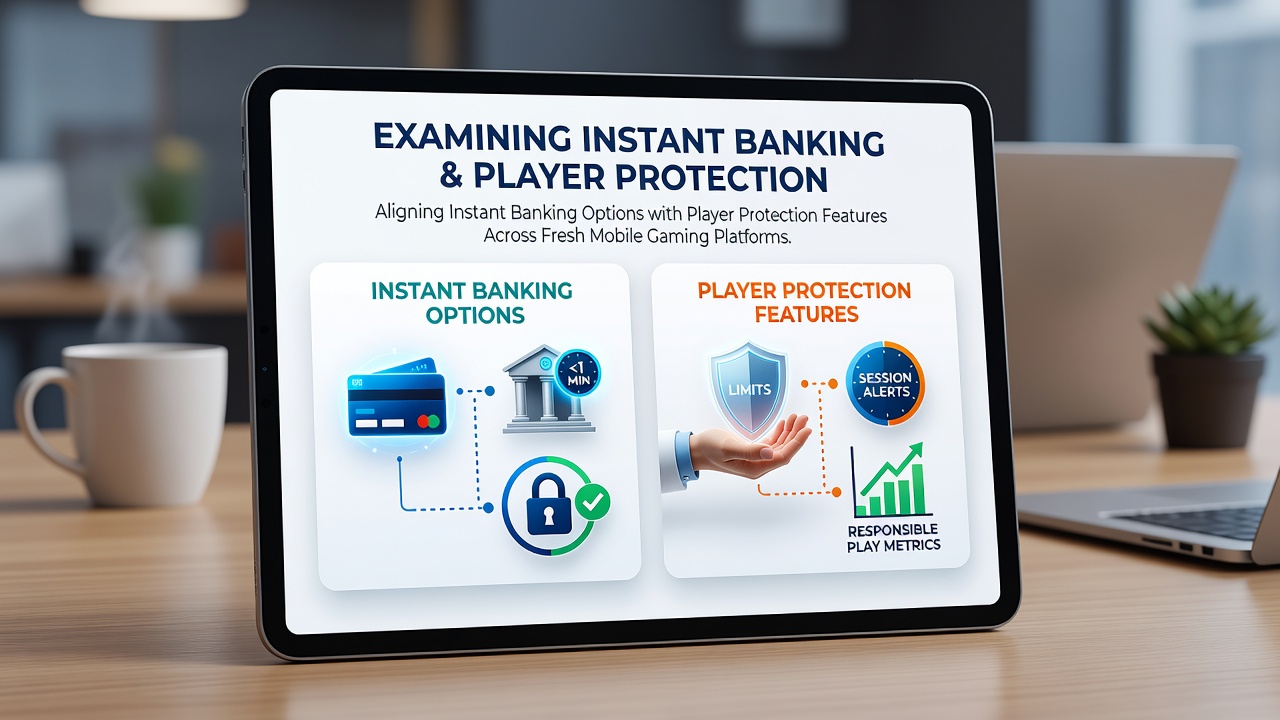
Data indicates that instant banking options have expanded rapidly across new mobile gaming platforms since 2024, with real-time transfers through digital wallets and bank APIs becoming standard on apps launched in multiple regions, while player protection features such as spending caps and identity checks integrate directly into those same transaction flows according to reports from the European Commission on digital financial services in gaming.
Observers note that platforms emerging in 2025 and into August 2026 often embed verification steps within deposit processes, where users complete age confirmation and set personal limits before funds move instantly, and this setup appears in systems used by operators in Canada and Australia as regulatory frameworks evolve to cover mobile-first services.
Instant Banking Mechanisms in Emerging Mobile Platforms
Research from the Canadian Centre on Substance Use and Addiction shows that instant deposits now rely on open banking protocols and e-wallet integrations that process payments in seconds rather than hours, yet these same systems route transactions through compliance layers that flag unusual activity or enforce pre-set budgets without interrupting the user flow, and fresh platforms launched after mid-2025 frequently combine these elements from the outset instead of adding them later.
Platforms built on updated mobile frameworks allow withdrawals to complete within minutes when identity has already been verified during onboarding, whereas older systems required separate manual reviews, and data from industry tracking groups reveals that this speed increase correlates with higher volumes of smaller, repeated transactions across apps targeting younger adult demographics in the European Union and North America.
Player Protection Features and Their Technical Integration
Studies compiled by the Australian Institute of Family Studies highlight that self-exclusion tools and deposit limit settings now sync automatically with banking interfaces on many new mobile platforms, so that once a user activates a cooling-off period the system blocks instant transfers until the restriction lifts, and this linkage reduces the chance of workarounds that existed in earlier standalone protection modules.
Verification protocols including biometric checks and document uploads occur at the point of first deposit on platforms released in 2026, which means protection measures activate before any funds enter the account, while transaction monitoring software scans patterns in real time to suggest adjustments to spending limits based on historical data rather than reactive alerts.
Alignment Patterns Across New Mobile Gaming Environments
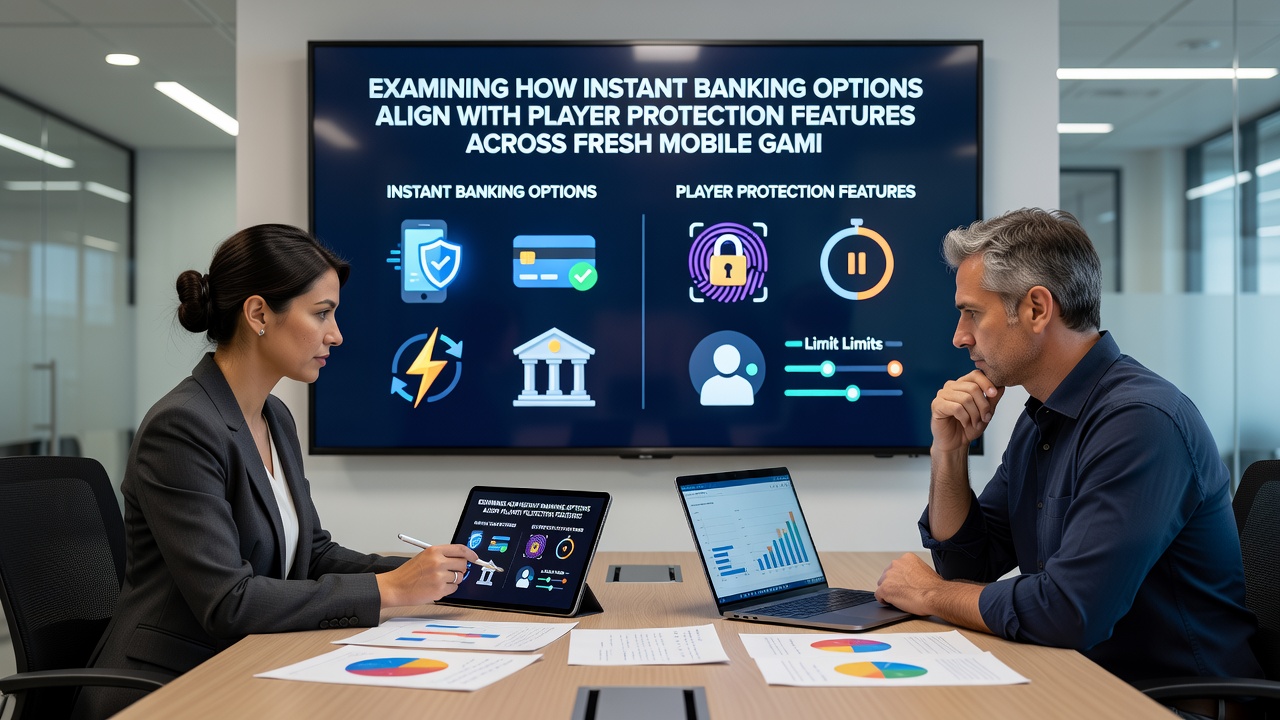
Figures from the International Center for Responsible Gaming indicate that alignment between instant banking and protection tools occurs most consistently on platforms developed after 2024, where banking APIs connect directly to backend compliance engines that apply rules uniformly across deposit, play, and withdrawal stages, and this architecture appears in both regulated markets in several US states and emerging Asian mobile services.
Those who have reviewed platform updates note that features such as reality checks and session timers now trigger alongside banking confirmations, for example pausing an instant withdrawal request if playtime exceeds a user-defined threshold, whereas separate systems in legacy apps often allowed banking actions to bypass these controls entirely.
Evidence from regulatory filings shows that operators of fresh mobile platforms in August 2026 increasingly adopt unified dashboards where users manage banking preferences and protection settings in one interface, which simplifies compliance reporting for authorities in Canada and the European Union while maintaining transaction speed.
Regional Variations and Implementation Examples
Platforms entering the Canadian market during 2025 integrated provincial responsible gambling portals directly into instant deposit flows, so that users encounter limit-setting prompts before any transfer completes, and similar patterns emerged in Australian apps that link to national self-exclusion registers at the banking stage according to industry analyses.
In contrast, certain European mobile platforms prioritize automated transaction monitoring that adjusts protection levels dynamically based on incoming data from banking partners, and this approach allows real-time responses to detected risk patterns without requiring users to navigate multiple menus.
Conclusion
Overall patterns demonstrate that instant banking and player protection features converge most effectively on newly developed mobile gaming platforms through shared technical infrastructure, with regulatory developments in August 2026 continuing to shape how these elements operate together across different jurisdictions, and available data continues to track adoption rates in real time.