19 Aug 2026
Tracing How Swedish Licensing Shapes Unique Slot Mechanics in Emerging Mobile Platforms
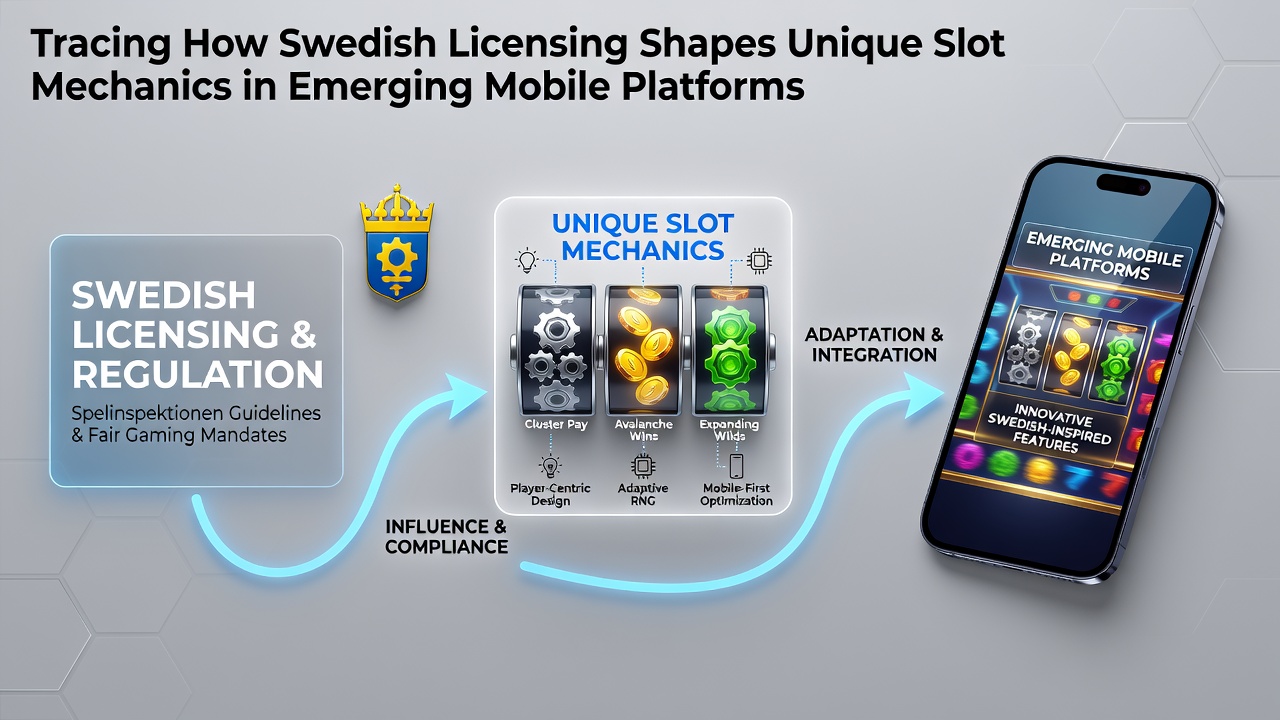
Swedish licensing requirements have driven measurable changes in slot game design since the re-regulation of the online market in 2019, with operators adapting mechanics to meet strict standards on player protection and game transparency. The Swedish Gambling Authority oversees these rules, requiring features like mandatory reality checks, deposit limits, and time-tracking tools that appear directly in gameplay sequences on mobile devices. Developers integrate these elements into core loops rather than as separate overlays, creating slots where mechanics pause automatically after set intervals or when thresholds are reached.
Regulatory Framework and Its Direct Influence
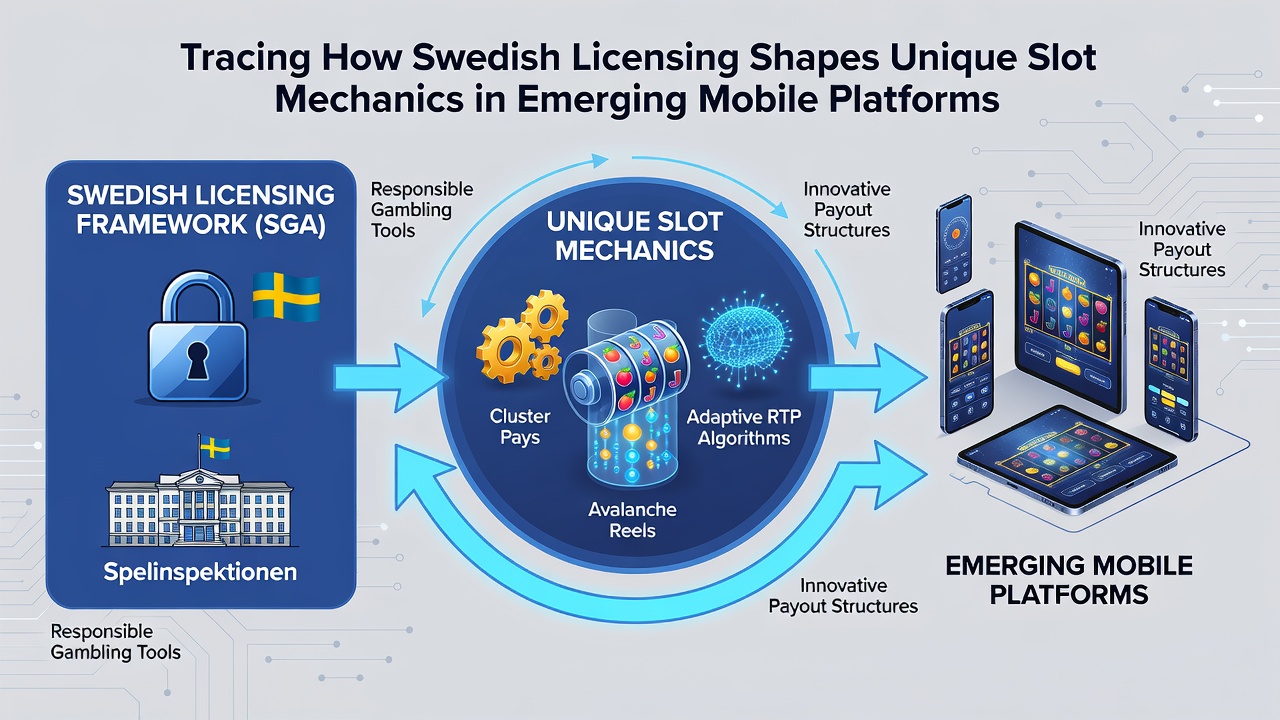
Spelinspektionen mandates that all licensed slots include built-in safeguards that affect reel spins, bonus triggers, and payout displays, and these constraints push studios toward modular designs that scale across mobile operating systems. Data from regulatory filings show that games approved after 2020 incorporate progressive limit systems where players receive visual cues tied to their current session statistics, a structure absent in many unlicensed markets. This approach alters traditional volatility models because developers must balance standard paytables with interruptions that reset or cap progress, leading to hybrid mechanics that combine short-burst spins with cumulative tracking layers.
Observers note that mobile platforms amplify these effects because touch-based interfaces allow seamless insertion of compliance prompts without disrupting flow, whereas desktop versions often require separate windows. Emerging platforms built on progressive web app technology further embed these tools at the browser level, ensuring consistent enforcement across iOS and Android environments. Research from industry reports indicates that titles released in 2024 and 2025 feature dynamic RTP adjustments visible in real time, a direct response to demands for transparency during extended mobile sessions.
Adaptations in Slot Mechanics for Mobile Constraints
Slot developers working under Swedish licenses frequently redesign bonus rounds to accommodate mandatory cool-down periods, turning what might have been continuous free-spin sequences into segmented events with built-in pauses. These pauses display updated loss or win metrics, satisfying audit requirements while maintaining engagement through micro-narratives that resume after the interval. Data shows increased use of clustered symbol mechanics and cascading reels that complete quickly, aligning with shorter average session lengths enforced by the licensing conditions.
Figures from market analyses reveal that mobile-optimized slots under Swedish oversight allocate more animation resources to feedback systems than to elaborate visual effects, because regulatory compliance demands clear communication of limits and remaining playtime. This shift produces games where each spin contributes to a visible progress bar that influences future reel behavior, creating a feedback loop unique to this jurisdiction. And developers have responded by testing prototypes that tie bonus eligibility to compliance milestones, such as completing a reality check before unlocking higher multipliers.
Emerging Mobile Platforms and Future Regulatory Timelines
New mobile frameworks entering the market in 2026 introduce additional variables, particularly around 5G-enabled real-time data syncing that allows regulators to monitor session metrics across devices. Licensing conditions already require operators to log every interaction, yet the August 2026 update to reporting standards will expand this to include granular tracking of mechanic interactions, forcing further refinements in how slots calculate and display interim results. Platforms leveraging cloud gaming services must now ensure that latency does not interfere with limit enforcement, prompting studios to pre-load compliance modules locally on the device.
According to Swedish Gambling Authority guidelines, operators face audits that examine whether mobile mechanics preserve the integrity of player-set limits even when network conditions fluctuate. This requirement has encouraged adoption of edge computing techniques in slot engines, where limit calculations occur on the handset before results sync to central servers. Studies compiled by the European Gaming and Betting Association highlight similar patterns in other regulated markets, though Swedish implementations emphasize mobile-first integration over retrofitted desktop features.
Case Examples of Mechanic Evolution
One developer released a cluster-pay slot in early 2025 that pauses reels after 30 minutes of continuous play and displays a summary screen with updated loss statistics before allowing resumption, satisfying both mobile user expectations and licensing audits. Another title uses variable reel heights that contract when a player approaches a pre-set deposit ceiling, visually signaling the boundary without removing the player from the game environment. These adaptations demonstrate how regulatory parameters translate into tangible gameplay differences rather than external add-ons.
Market data collected through 2025 shows that licensed mobile slots exhibit lower average spin durations compared with unlicensed counterparts, a pattern attributed to the mandatory inclusion of time-based interruptions. Developers continue to experiment with narrative wrappers around these pauses, turning regulatory pauses into story beats that maintain momentum across sessions. Such techniques keep players oriented within the rules while preserving the core appeal of chance-based outcomes.
Conclusion
Swedish licensing continues to steer slot mechanics toward integrated compliance systems that function natively within mobile environments, producing distinct design patterns that prioritize transparency and session control. As August 2026 approaches, operators and developers prepare for expanded reporting obligations that will likely accelerate refinements in real-time limit tracking and cross-device consistency. The resulting games reflect measurable regulatory influence on everything from reel timing to bonus structure, establishing a template that other jurisdictions may examine when updating their own mobile gaming standards.